
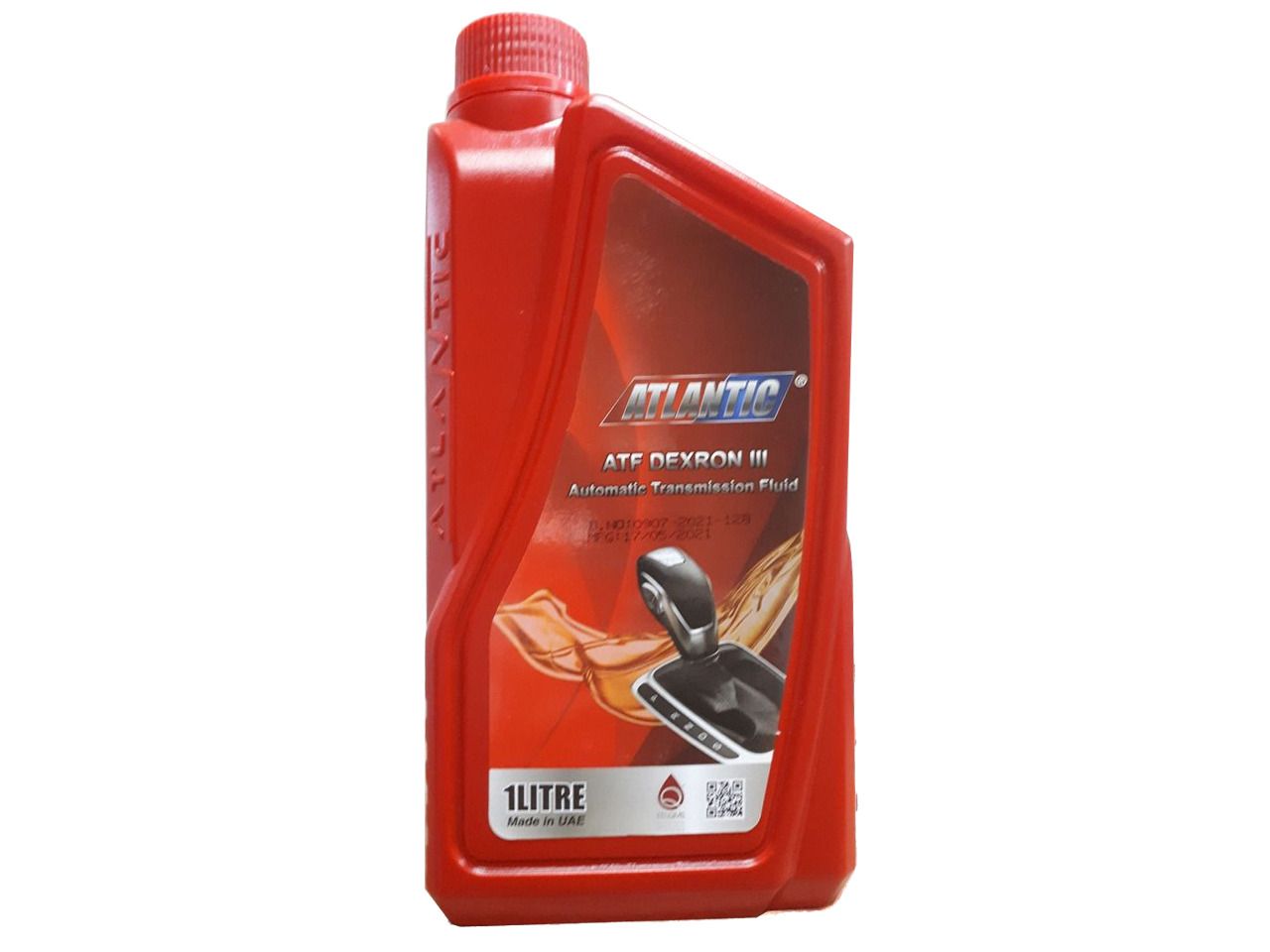
Motorcars use automatic transmission fluid (ATF), a hydraulic liquid, to cool and grease the internal parts of mechanical gearboxes. It also provides the force and friction needed for the gearbox to perform efficiently while on the road or off-road.

Consequently, there is a need to look at its importance for the lifespan and regular maintenance of your vehicle. get the guided solution on how to check and replace fluids in your gearboxes on a regular basis.
How Do The Automatic Transmission Fluids Work?
An automatic transmission gearbox system uses the fluid for several purposes. Some of them are included below:
It helps lubricate the grips, gears, valves, and other moving parts of the gearbox and helps reduce friction and wear.
While it controls the temperature of the metal components, it also prevents overheating while keeping the gearbox cool.
Hydraulic pressure grips the clutches and modifies the gears to transfer power from the engine to the wheels.
Clean the gearbox to eliminate any debris, flaxes, and filth that can damage the internal components.
The metasurfaces of the gearbox can be coated with a thin layer of fluid to prevent rust and degradation.
Why is it important to use automatic gearbox fluid?
A gearbox needs automatic gearbox fluid to run and be maintained correctly. Your gearbox may experience several problems if you don’t have enough appropriate ATF, such as these:
The following problems can cause gear changing to slide or delay.
- Noisy or harsh.
- Losing speed or force.
- The gearbox is burning or overheating.
- Low fluid level, leaking, damage to the gearbox, etc.
Your car’s lifespan, safety, performance, and fuel efficiency may all be impacted by these problems. They may also need expensive repairs or replacements of the gearbox. Therefore, keeping your ATF at the right amount and condition is essential.
How to Measure the Level of Automatic Transmission Fluid
Checking the fluid level in your 1000 hp automatic transmission is easy and quick, and you can perform it at home on your own. A funnel, a clean rag or paper towel, and a bottle of ATF, if necessary, are required. The actions to take are as follows:
- Put your car in the car park in a flat area and switch off the engine.
- Look under the car for the ATF dipstick. Usually labeled “ATF” or “transmission,” it has a red or yellow handle.
- Remove the dipstick and use a paper towel or rag to clean it.
- Re-insert the dipstick into the tube and remove it.
- Verify the dipstick’s fluid level on both sides. It should fall between the “full” and “add” indicator marks. It is necessary to add synthetic automatic transmission fluid if it is less than the “add” mark.
- Examine the fluid’s color and smell. It should have a slight smell and be either clear or light crimson in color. You should replace your fluid if it is dark brown or black in color and smells burnt. These are signs that your fluid is polluted or old.
It is important to change your transmission fluid, but the type of ideal fluid and its related transmission can affect ideal changing intervals. If you drive manually, most manufacturers will recommend changing your transmission fluid every 30,000 to 60,000 miles. If you have an automatic, you can commonly boost the intervals up to 60,000 to 100,000 miles.
There is no harm if you change your fluid earlier. Drivers who use manual transmissions and put heavy-duty use into their cars and vehicles may need to change their fluid every 15,000 miles. Same as changing your transmission fluid every 30,000 miles is necessary under some circumstances, especially the area and the location.
In the end, consulting your car manufacturers or trained technicians is the best way of action to find the precise intervals of your automatic transmission fluids.
How to Replace Gearbox Fluid Automatically
Changing the fluid in an automatic gearbox takes more effort and time, and certain tools and equipment are needed. You’ll need a drain pan, a wrench, a fresh filter, a gasket, and enough ATF for your car. When accessing the drain plug, you might also require a jack, which stands if your car is too low. The actions to take are as follows:
- Use a jack to raise your car; secure it with jack stands if needed.
- Find the ATF drain plug underneath your car. Usually, it is located on the gearbox pan’s side or bottom.
- Loosen the drain plug with the wrench by placing the drain pan underneath it. Take caution as the liquid can be heated.
- Empty the drain pan of all used fluid and dispose of it appropriately.
- Take off the bolts holding the gearbox pan in place, then carefully lower it. You might have to pry it off with a screwdriver if it’s stuck.
- Take out and replace the old filter from the gearbox valve body.
- Use a paper towel or rag to clean the gasket surfaces and gearbox pan.
- Replace the gearbox pan gasket, making sure it fits the bolt holes.
- Tighten the bolts steadily and uniformly after reinstalling the gearbox pan.
- Put the drain plug back in place and use the wrench to tighten it.
- If you raise your car using jacks and jack stands, lower it now.
- Using the dipstick tube, replenish the gearbox with the recommended kind and volume of ATF. Use a funnel to prevent spills.
- Turn on your engine and give it a few minutes to run. To circulate the fluid, make multiple shifts through all of the gears.
- Use lipstick to check the fluid level once more and add more if necessary.
An essential part of the gearbox system in your car is the best automatic transmission fluid (ATF). It cleans, cools, lubricates, and protects your gearbox from wear, friction, and damage. It also helps facilitate the efficient and seamless operation of your vehicle by allowing the internal transmission components to work smoothly and efficiently. As a result, you should routinely check and maintain the correct ATF level according to your vehicle manufacturer’s recommendations.
Automatic transmission fluid performs several critical functions within the transmission system. It provides lubrication to gears, bearings, shafts, clutches, and other moving components, helping reduce friction and minimizing the heat generated during operation. ATF also plays an important role in hydraulic operation by providing the pressure required to engage clutches and change gears. Maintaining the correct fluid level allows these processes to take place more efficiently and contributes to smoother shifting.
In addition to lubrication and hydraulic performance, quality transmission fluid helps manage the heat produced inside the gearbox. Automatic transmissions can generate considerable heat during everyday driving, particularly in heavy traffic, when carrying heavy loads, or when driving in hot weather. Excessive heat can accelerate fluid degradation and increase wear on internal components. A suitable ATF helps transfer and control this heat while maintaining its performance under demanding operating conditions.
Over time, automatic transmission fluid can become contaminated with dirt, metal particles, and other deposits. Repeated exposure to high temperatures can also cause the fluid to oxidize and lose some of its original protective properties. When ATF becomes old, contaminated, or insufficient, the transmission may experience symptoms such as rough or delayed gear changes, slipping, unusual noises, overheating, or difficulty engaging gears.
Choosing the correct automatic transmission fluid is just as important as maintaining the proper fluid level. Different vehicles and transmission designs may require specific ATF formulations, viscosity characteristics, and manufacturer approvals. Using an unsuitable fluid can negatively affect shifting performance and may increase the risk of transmission problems. Therefore, always check your vehicle owner’s manual or manufacturer’s specifications before purchasing or replacing ATF.
Regular transmission maintenance can help keep your vehicle operating reliably for longer. Inspecting the fluid level, checking its condition, and replacing it at the recommended service interval can help support smooth shifting and consistent transmission performance. If you notice a burning smell, unusual transmission behavior, fluid leakage, or a significant change in shifting quality, it is advisable to have the transmission inspected by a qualified professional.
By selecting the appropriate automatic transmission fluid and following a proper maintenance schedule, you can help reduce friction, control operating temperatures, protect critical gearbox components, and maintain efficient power transfer. These simple maintenance practices may also reduce the likelihood of expensive transmission repairs and help extend the overall service life of your vehicle’s gearbox.